
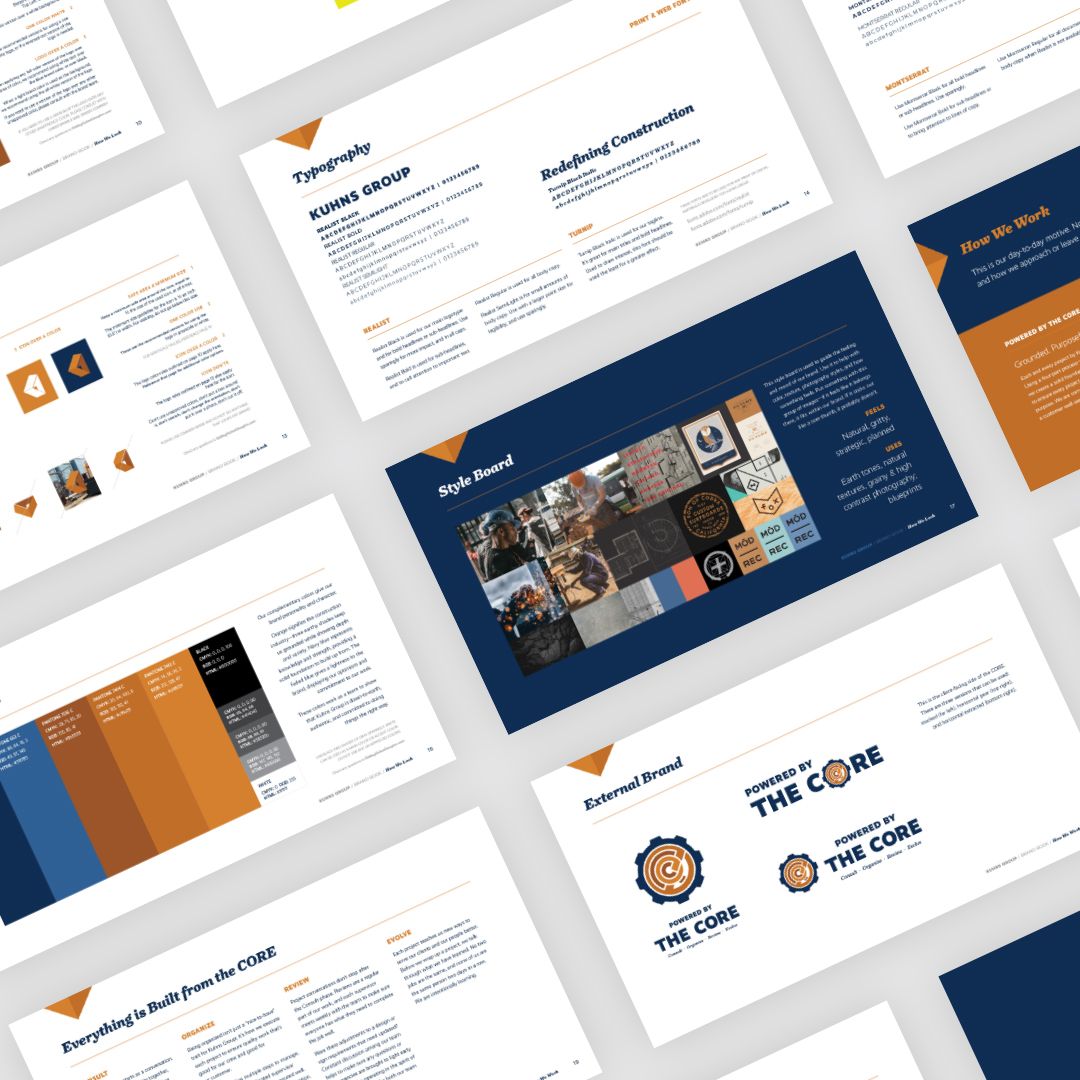
Every few weeks, a company comes to us asking for a rebrand. New logo, new colors, new website. And every few weeks, we start the same way: by asking why. Because in our experience, most rebrands don't fail in the design phase—they fail in the framing.
the symptom is rarely the problem
When leaders say "our brand feels dated," what they usually mean is one of three things: the business has outgrown its story, the audience has shifted, or the visuals never matched the strategy in the first place. Each of those calls for a different fix—and only one of them starts with design.
A rebrand is a strategy decision wearing a design costume. Treat it that way and the work gets dramatically easier.
three questions we ask before any rebrand
- What changed? If nothing changed in the business, market, or audience, a rebrand is probably a distraction.
- Who has to believe it? A rebrand only works if the people inside the company can live it—not just the people who see the ads.
- What does success look like in 18 months? If the answer is "it looks nicer," pause. If it's "we win a new market," proceed.
start with alignment, not aesthetics
Our best rebrands begin with a room full of stakeholders and a whiteboard—not a mood board. Strategy, messaging, and creative have to move together. When they do, the design phase stops being a debate about taste and becomes an execution of a decision everyone already made.
If you're weighing a rebrand and aren't sure whether the problem is the brand or the strategy underneath it, that conversation is exactly where we like to start.

